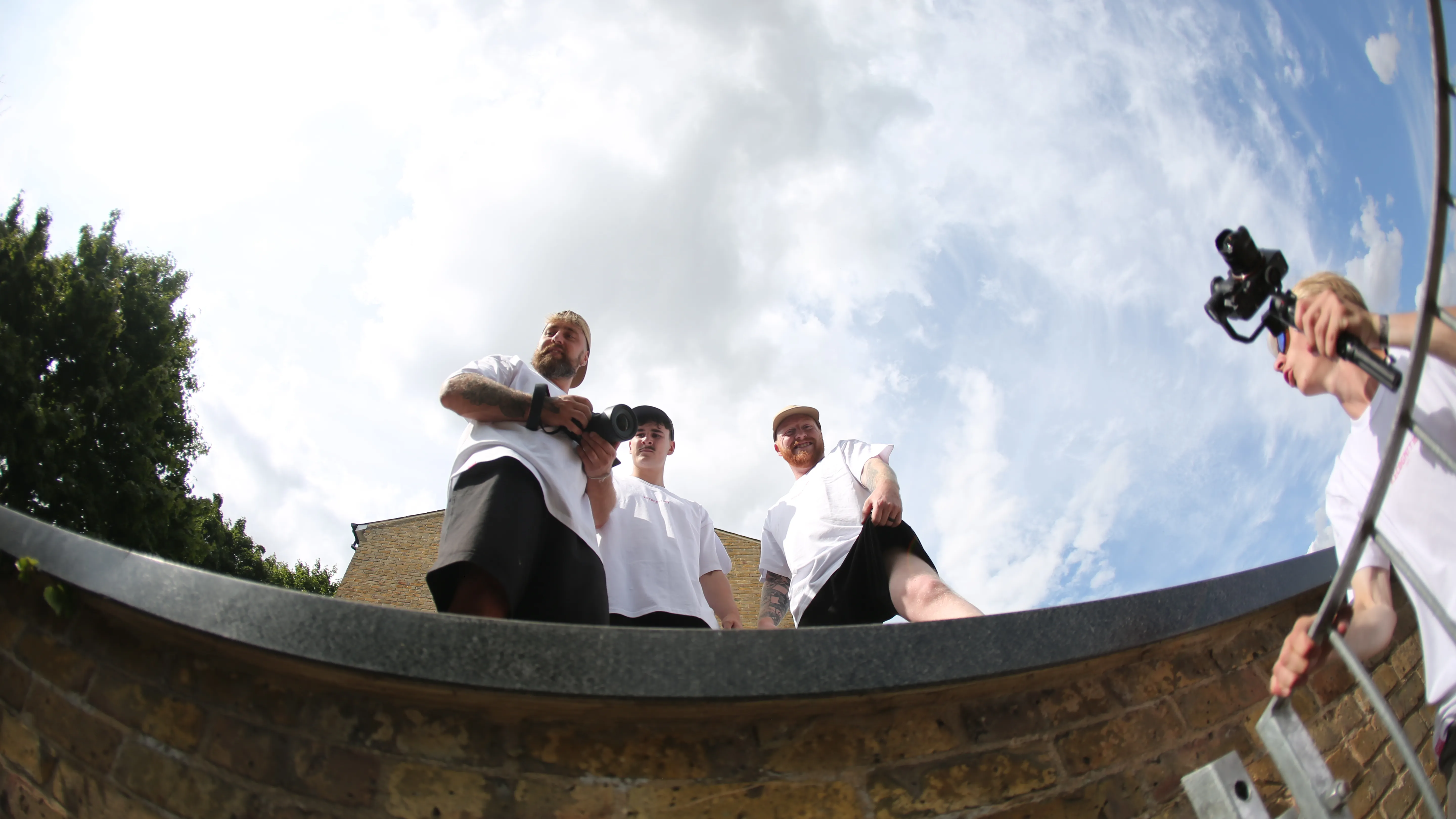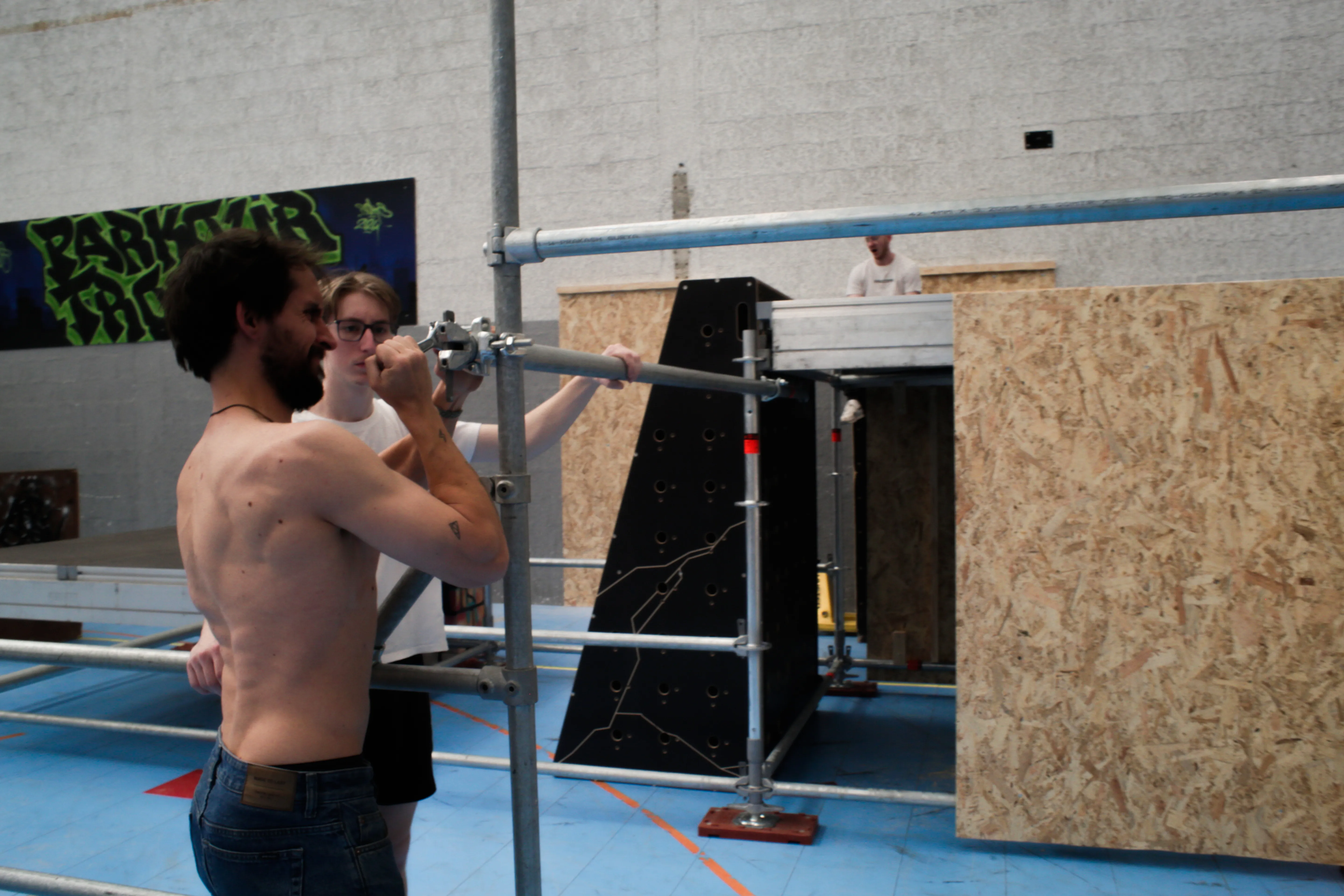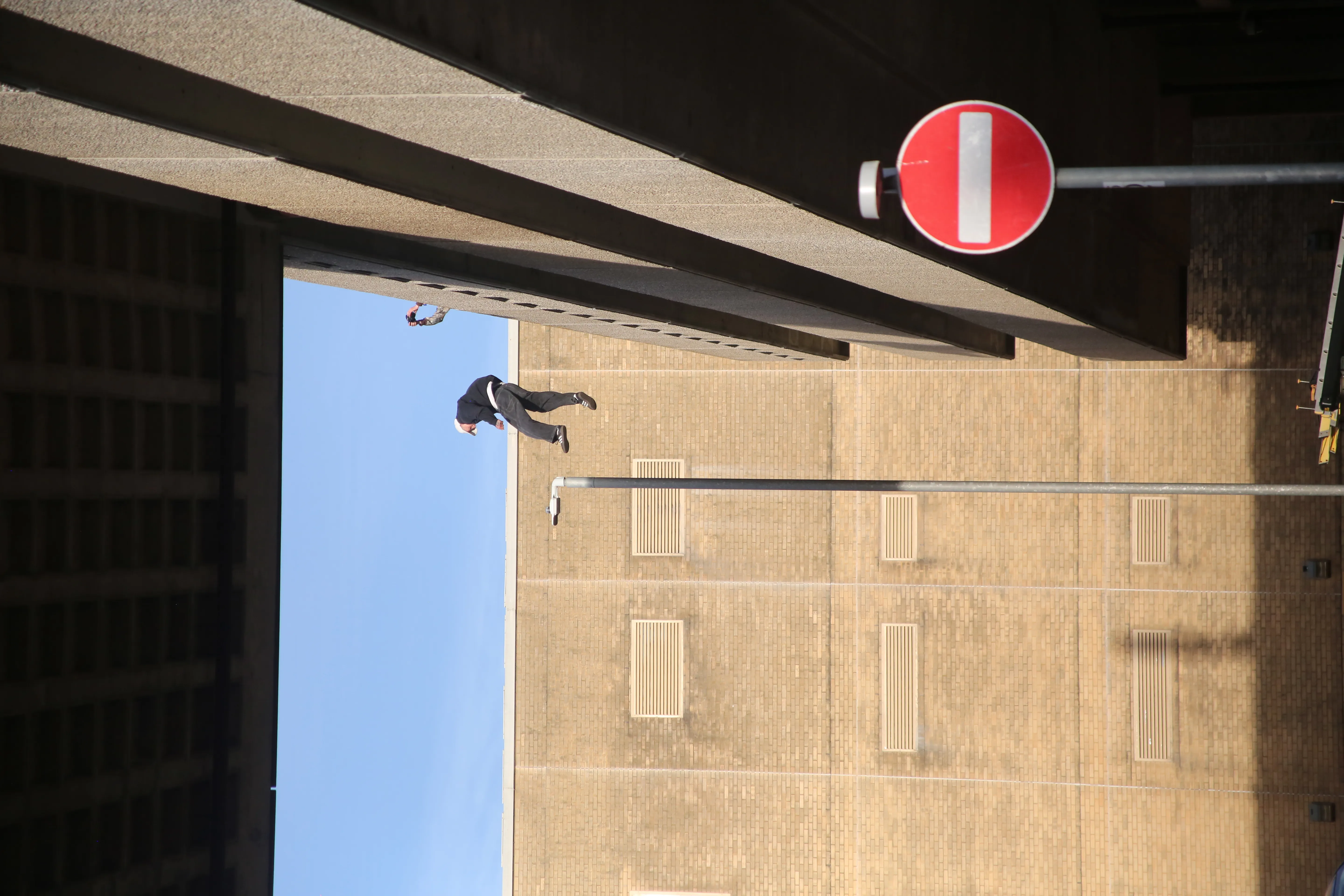
The dominant model in parkour content is the individual clip. One person, one move, posted to Instagram, forgotten in 24 hours. It has become the default currency of the sport. Athletes produce constant micro content: jump after jump, trick after trick, each upload a small gamble on engagement. Some land. Most disappear. And even when they do land—when a clip gets 50,000 views or 100,000 likes—what remains? A number. Not a legacy. Not something that defines a skater's career or shapes how people understand the sport.
Compare this to skateboarding. The video part is sacred in skate culture. A planned body of work that a skater works towards for years. When a major skater drops a part, it is an event. Thrasher runs a premiere. People watch it fully, engage with it, remember it. The same skaters who might have uploaded clips throughout the year are suddenly defined by something larger. That part becomes the marker of a particular moment in their career, a statement of where they were, what they could do, what the culture itself was thinking about at that time.
Parkour has the talent. The athletes are undeniably capable. But parkour lacks the infrastructure that transformed skateboarding from a collection of individual tricks into a legitimate cultural discipline. Nobody is organising collective projects at scale. There is no machinery turning raw talent into presented vision. The result is a sport drowning in footage but starving for focus.
The maths is simple. Pool 10 athletes' best footage into one release and you get something with actual weight. Something people remember. Something that marks a point in time, defines a generation, becomes worth revisiting months or years later. Individual content is noise. Collective projects are signal. A single athlete producing isolated clips cannot compete with a unified release designed, edited, and presented as a complete piece of work. The individual will always be drowned out. But the collective cannot be ignored.
Individual clips are forgotten before they are watched. Collective projects become the way culture remembers itself.
Breach Culture exists precisely to be that organising force. Not replacing individual creativity but channelling it. Asking athletes to contribute their best work not to an endless feed but to something designed to last. When you know your footage is going into a project that is being treated like a proper film, that is being distributed like a proper release, that is being discussed like a proper piece of culture, you move differently. You film differently. You think differently. That is the shift. That is what changes the game.